Exploring domestic energy efficiency improvements
2026-05-20
If your Freebridge home has a low Energy Performance Certificate (EPC), there's a chance you'll be contacted by us regarding domestic energy efficiency improvements (or retrofitting, as you may have heard it called) at some point in the future.
We appreciate that the thought of having extensive works done on your home can be worrying, so we wanted to share the experience of one of our customers with you all.
This home was an EPC F prior to the works, meaning it doesn't perform very well energy-wise. But, following extensive retrofitting works, it’s now up to EPC B – making the customer's home feel, in their own words, ‘warm and cosy’.
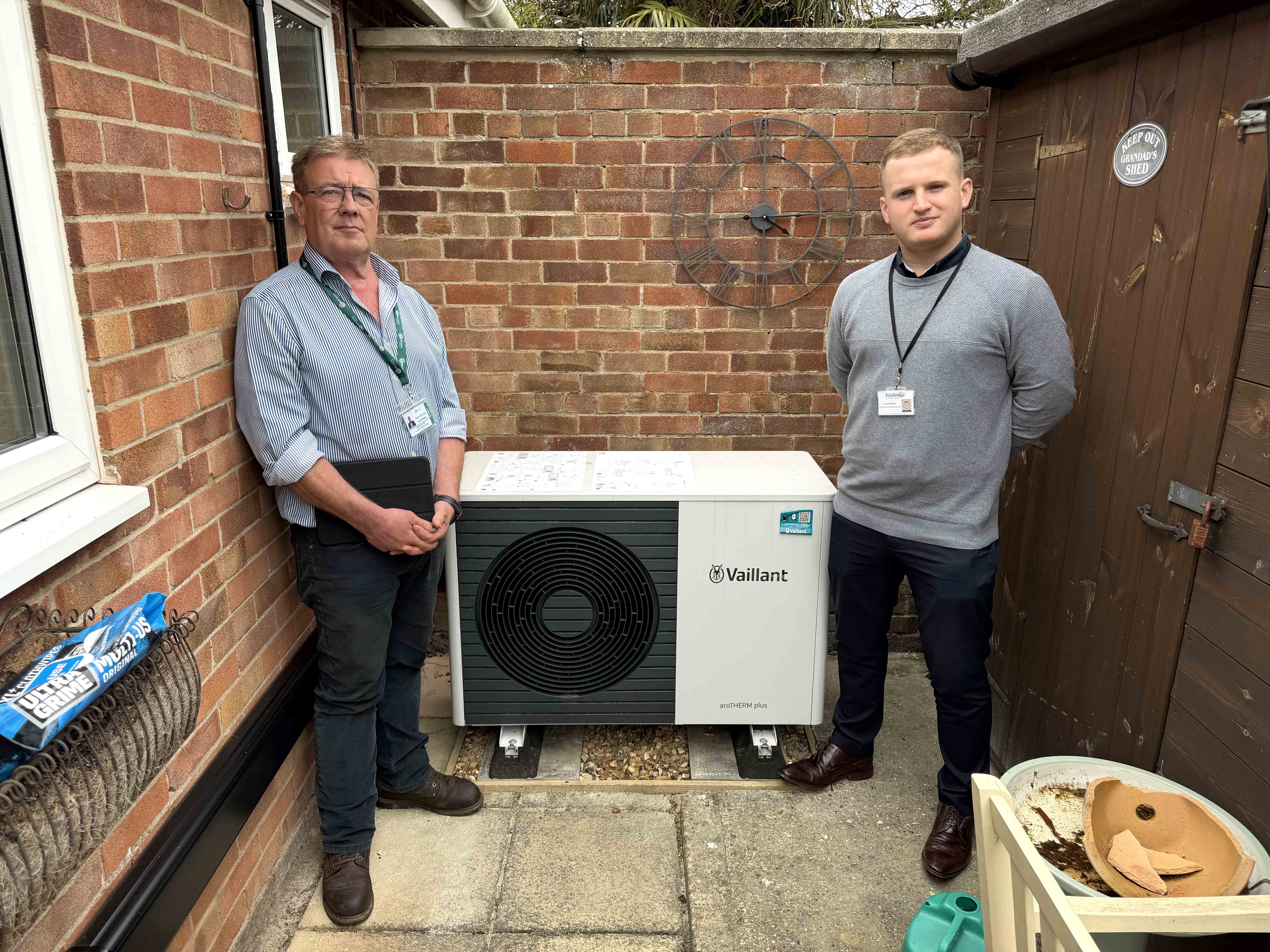
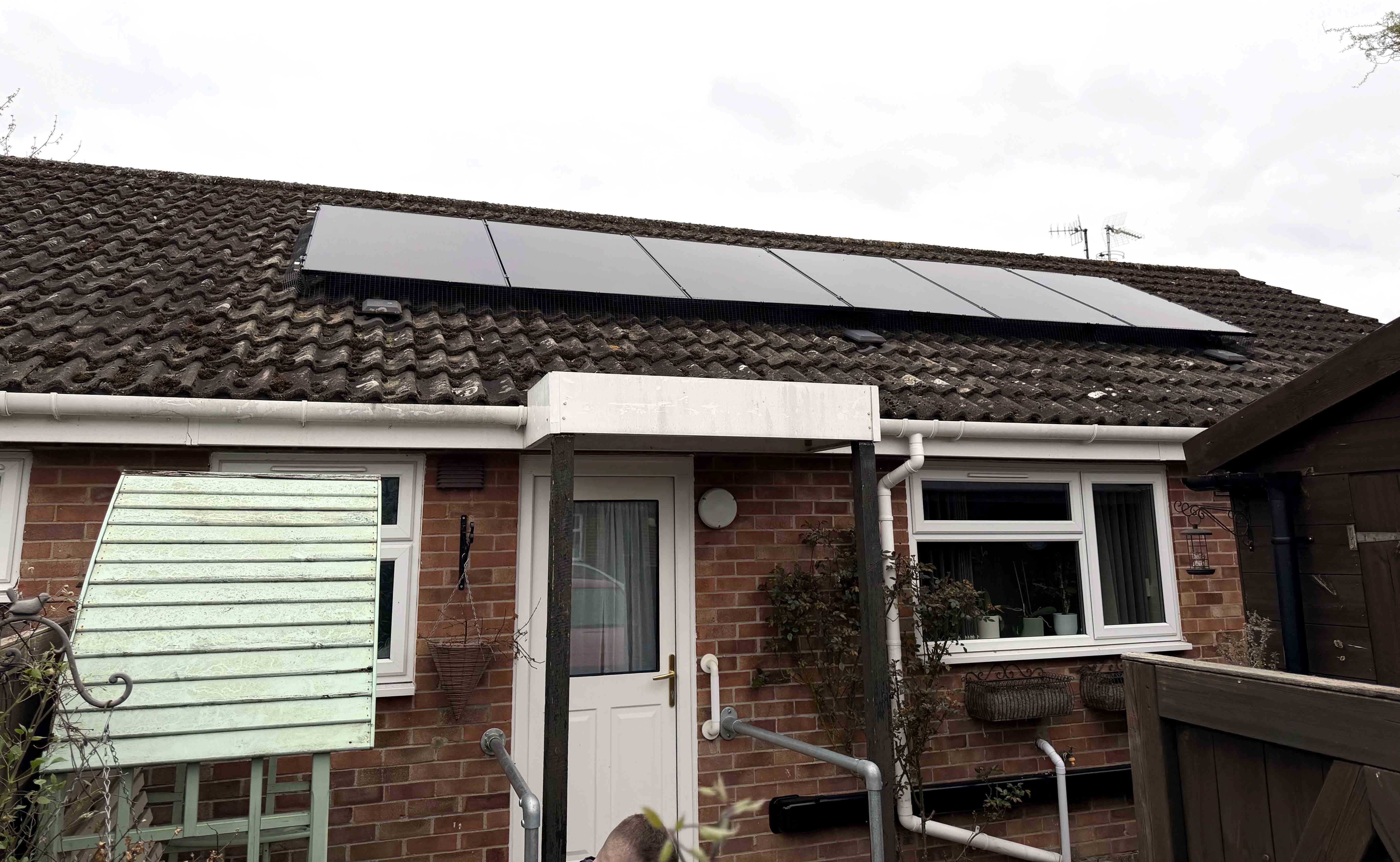
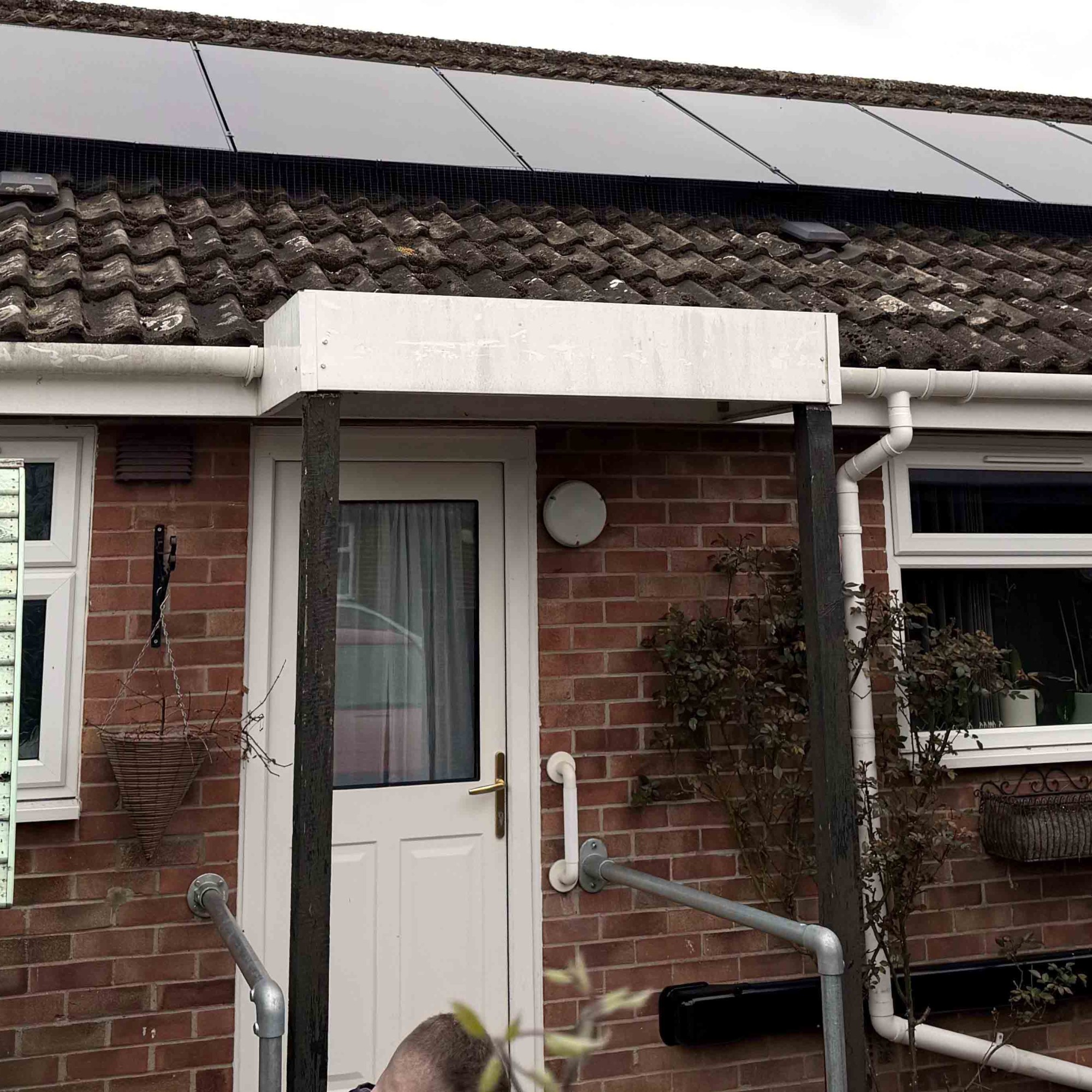
Working alongside LivGreen, a complete retrofit was carried out at this home – including replacing the old, inefficient electric storage heaters with an air source heat pump (ASHP), top up the loft insulation to 300mm, and the installation of Solar PV (photovoltaic) panels.
New extractor fans were also fitted, alongside low energy lighting.
Understanding EPC
An Energy Performance Certificate (EPC) rates your property's energy efficiency and environmental impact on a scale from A (most efficient) to G (least efficient).
It is legally required when you buy, sell, or rent out a home, and it remains valid for 10 years.
The certificate uses a scoring system from 1 to 100 to assess your heating, lighting, and insulation costs.
Band A (92+ points): Highly efficient, very low bills.
Band B & C (69–91 points): Good to excellent efficiency.
Band D (55–68 points): Average, typically the most common rating for UK housing.
Band E (39–54 points): Below average.
Band F & G (1–38 points): Inefficient, requires improvement.
The benefits of domestic energy efficiency improvements
Here's Freebridge's Retrofit and Sustainability Manager Jacob Medlock's view on why you should embrace retrofitting at your home when offered.
He said: "By transforming one of our least efficient homes, this demonstrates the real-world impact of coordinated planning and customer-focused delivery.
"If you look at the case study, there are many benefits. The uplift from an EPC F to a B, the halving of carbon emissions, and the reduction of monthly energy costs - in this case from over £100 to £30 - all highlight the value of investment in retrofit projects such as this.
"Just as importantly, the experience of the customer shows how these upgrades enhance wellbeing and independence for some of our most vulnerable residents."
Please note, this is something Freebridge will contact you about if your home is eligible - we are unable to take requests.
If you have a question about this post, please do email [email protected].